East Village Mennonite piano prohibition
All My Puny SorrowsThe East Village Mennonite piano prohibition made an instrument associated with music and pleasure a test of obedience within the Von Riesen family’s community. Though the piano was not technically allowed in town, the family secretly brought one into their home for Elfrieda Von Riesen; years later, when elders discovered it, the instrument was permitted to remain only under religious conditions. Elfrieda’s performance during a visit from the church authorities turned that conditional tolerance into a moment of open defiance.
Scope and Community Context
The restriction belonged to the East Village Mennonite community depicted in the novel, not necessarily to Mennonite communities in general. Pianos were considered too reminiscent of saloons and speakeasies, and of the unrestrained pleasure those places represented. Music therefore carried a social meaning beyond its sound: keeping a piano in the home risked challenging the community’s expectations of conformity.
The prohibition formed part of a broader atmosphere of suspicion toward girls’ independence and education. When the authorities heard that fifteen-year-old Elfrieda hoped to study music at university, elders came to the family home to address the plan. One warned that she would acquire ideas; the narrator describes a girl with a book as their foremost public enemy. The piano restriction and opposition to Elfrieda’s ambitions were distinct pressures, but both placed limits on the forms of life available to her.
The narrative also places East Village’s rules beside the family’s inherited history of displacement and silence. The grandparents had come from a Mennonite village in Siberia in 1917, amid violence that the family struggled even to mention. That history helps establish the weight of the family’s inherited reticence, but the account does not identify it as the cause of the piano prohibition.
Secrecy and Conditional Permission
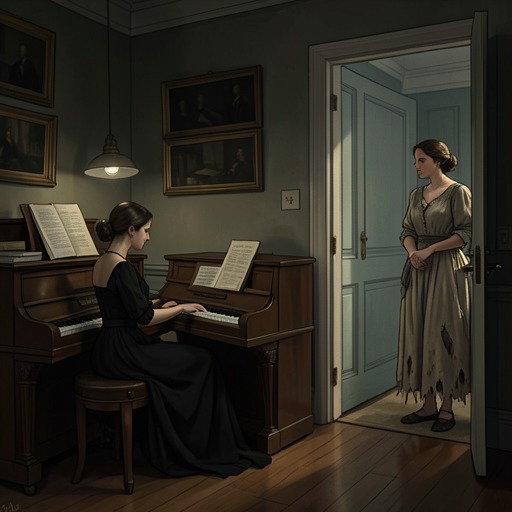
Elfrieda’s parents initially hid the piano, covering it with sheets and gunny sacks when the elders visited. A doctor in Winnipeg had suggested that she needed a creative outlet, partly to keep her from becoming what the community called wild. The warning itself exposed the tension: the family sought a way to support Elfrieda, while the community treated unruliness as a danger.
Over time, her parents came to love her playing and occasionally requested familiar songs, including Moon River and When Irish Eyes Are Smiling. The instrument was not merely a secret kept for Elfrieda’s sake; it became part of family life, even as its presence remained subject to the elders’ authority. When they eventually learned that the family had kept a piano, the discovery led to a lengthy discussion and the possibility of three or six months of excommunication for her father.
Her father offered to accept that punishment. The elders ultimately let the matter go, on the condition that her parents ensure the piano was used only as an instrument for the Lord. Their decision left the piano in the house but did not recognize music as an independent choice: its continued use was made conditional on religious oversight.
Elfrieda’s Performance Before the Elders
During the visit prompted by Elfrieda’s plans for university, the bishop arrived with a group of elders in a convoy of separate cars. Her mother stayed in the kitchen rather than serving the visitors, while her father faced them in the living room. The gathering made the rule’s enforcement visible as a collective exercise of authority, not simply a private disagreement about an instrument.
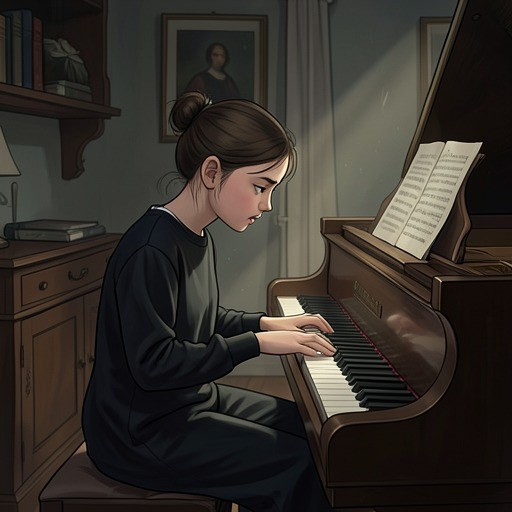
As the elders discussed Elfrieda’s future, she began playing Rachmaninoff’s Prelude in G Minor, Op. 23 in the spare bedroom beside the front door. She had worked on the piece for two years with a conservatory teacher from Winnipeg who travelled to the house twice a week. Its familiar, forceful music interrupted the conversation; the elders fell silent, and her mother began to hum and sway. The piano that had been concealed under coverings now answered the authorities in the open.
The narrator understands this performance as the moment Elfrieda took control of her life and as her debut as an adult woman and, in retrospect, a world-class pianist. It also marks her departure from a community that could not comfortably contain her ambitions. The performance does not formally repeal the prohibition, but it makes the limits of the elders’ control unmistakable.
Significance
The rule operates through both threat and permission. The family risks punishment for possessing the piano, then retains it only after accepting the condition that its purpose serve the Lord. This compromise accommodates the instrument while keeping its meaning under communal supervision; the decisive change comes not from a new rule but from Elfrieda’s refusal to let that supervision define her music.
By placing the piano first under sacks and then at the center of the elders’ visit, the narrative turns a household object into a measure of constraint and possibility. Its music connects Elfrieda’s private practice to her public break with the expectations surrounding girls, education, and obedience in East Village. The episode makes the prohibition’s cost concrete: the family can shelter the instrument, but it cannot make Elfrieda’s ambitions fit within the terms imposed on it.